


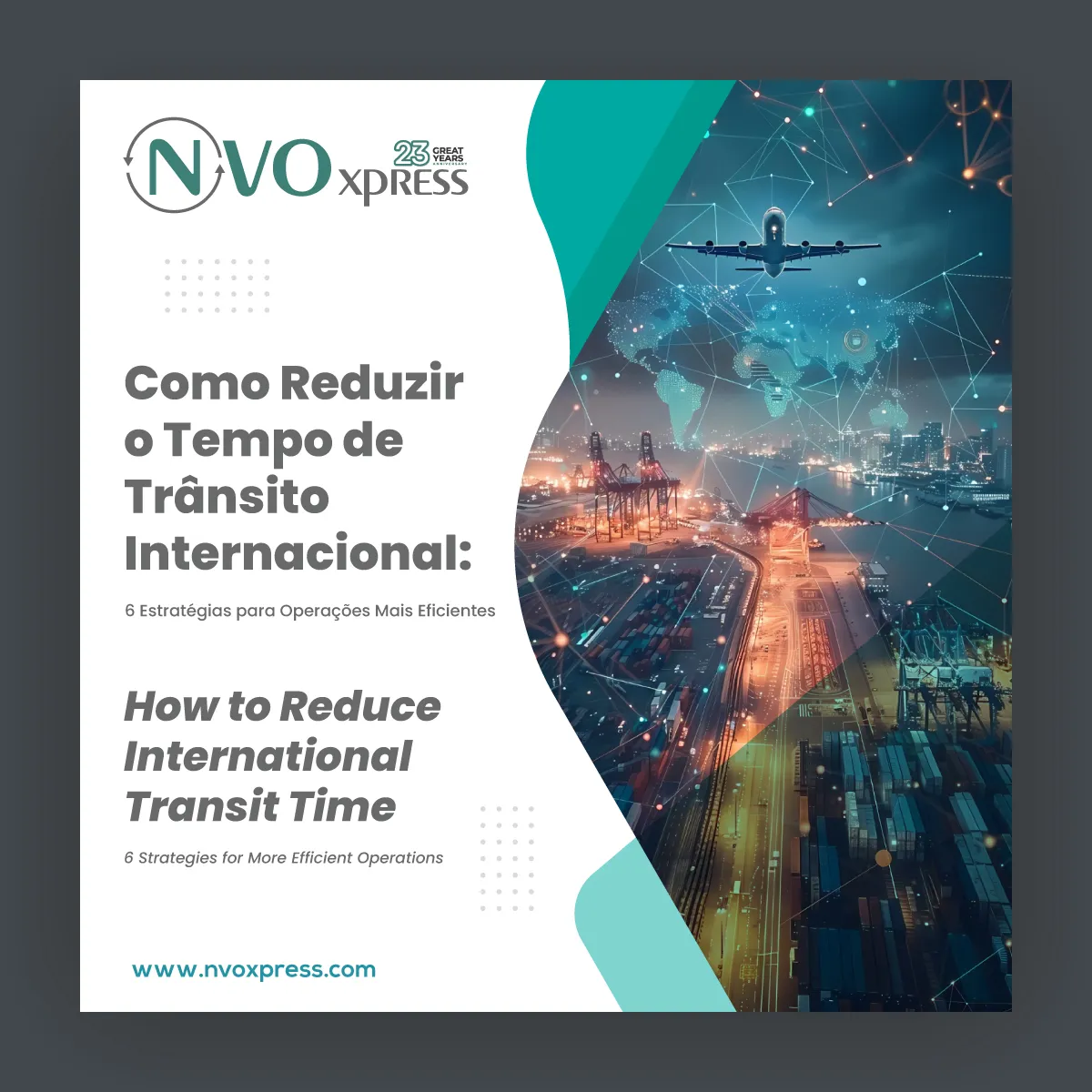
How to Reduce International Transit Time: 6 Strategies for More Efficient Operations
Time Is Also a Critical Factor in International Logistics
International transit time is one of the most important factors influencing supply chain efficiency. Every day of delay can result in higher costs, stock shortages, production downtime, missed delivery deadlines, and reduced competitiveness.
While external factors such as weather conditions, port congestion, or customs procedures can affect an operation, a significant portion of international transit time can be optimized through effective logistics planning and by choosing an experienced logistics partner.
In this article, we share six strategies to help reduce international transit time, improve operational predictability, and enhance the performance of your supply chain.
1. Choose the Most Appropriate Mode of Transport
Not every shipment requires the same logistics solution.
Depending on urgency, cargo type, destination, and budget, the most suitable option may be sea freight, air freight, road freight, or a multimodal transport solution.
Selecting the right transport mode helps achieve the best balance between speed, cost, and reliability, contributing to shorter transit times without compromising operational efficiency.
2. Ensure Accurate and Complete Documentation
Incomplete or inaccurate documentation remains one of the leading causes of delays in international shipments.
Commercial invoices, packing lists, certificates of origin, customs documentation, and any other required documents should be carefully prepared before shipment.
Even a minor documentation error can lead to additional inspections, cargo holds, and several days of unnecessary delays.
3. Plan Your Shipment in Advance
The earlier you plan your logistics operation, the greater the likelihood of securing cargo space, obtaining better freight rates, and selecting more efficient routes.
Booking transportation only when the goods are ready significantly reduces the available options and increases the risk of delays.
Proper planning helps anticipate potential challenges and can substantially reduce international transit time.
4. Work with an Experienced Freight Forwarder
A freight forwarder does much more than simply arrange transportation.
An experienced logistics partner understands the most efficient routes, continuously monitors each shipment, coordinates every stakeholder involved, and proactively identifies potential issues before they impact the supply chain.
This ability to anticipate challenges often results in shorter transit times and greater delivery reliability.
5. Monitor Your Shipment Throughout the Journey
Shipment visibility has become an essential element of efficient logistics management.
Continuous monitoring allows businesses to keep customers informed, anticipate unexpected situations, and make quick decisions whenever changes occur during transit.
The greater the visibility over your shipment, the greater your ability to minimise delays and maintain operational efficiency.
6. Promote Efficient Communication Between All Stakeholders
Suppliers, freight forwarders, carriers, customs brokers, logistics operators, and end customers should work together in a coordinated manner.
Clear and timely communication reduces idle time, prevents operational errors, and streamlines the entire logistics process.
Effective collaboration between all parties remains one of the most important factors in reducing international transit time.
Reducing Transit Time Starts Long Before Your Shipment Leaves
Reducing international transit time is not simply about moving goods faster.
It requires better planning, accurate documentation, selecting the most appropriate transport solution, continuously monitoring every shipment, and relying on an experienced logistics partner capable of anticipating risks and responding quickly to unexpected challenges.
Companies that invest in efficient logistics planning are better positioned to reduce costs, improve delivery reliability, and provide a higher level of service to their customers.
At NVOxpress, we help companies reduce international transit time through efficient logistics solutions, expert support, and meticulous planning at every stage of the supply chain.
Contact us and discover how we can help make your international logistics faster, more efficient, and more competitive.
Frequently Asked Questions
What is international transit time?
International transit time is the period required for goods to travel from their point of origin to their final destination. It includes transportation, transhipment operations, customs clearance procedures, and any waiting times that may occur throughout the journey.
What factors influence international transit time?
Several factors can affect international transit time, including the chosen mode of transport, documentation accuracy, customs procedures, selected routes, cargo space availability, operational conditions, and the quality of logistics planning.
How can companies reduce international transit time?
Companies can reduce international transit time by planning shipments in advance, preparing accurate documentation, selecting the most appropriate transport solution, and partnering with an experienced freight forwarder capable of coordinating and monitoring the entire logistics process.