
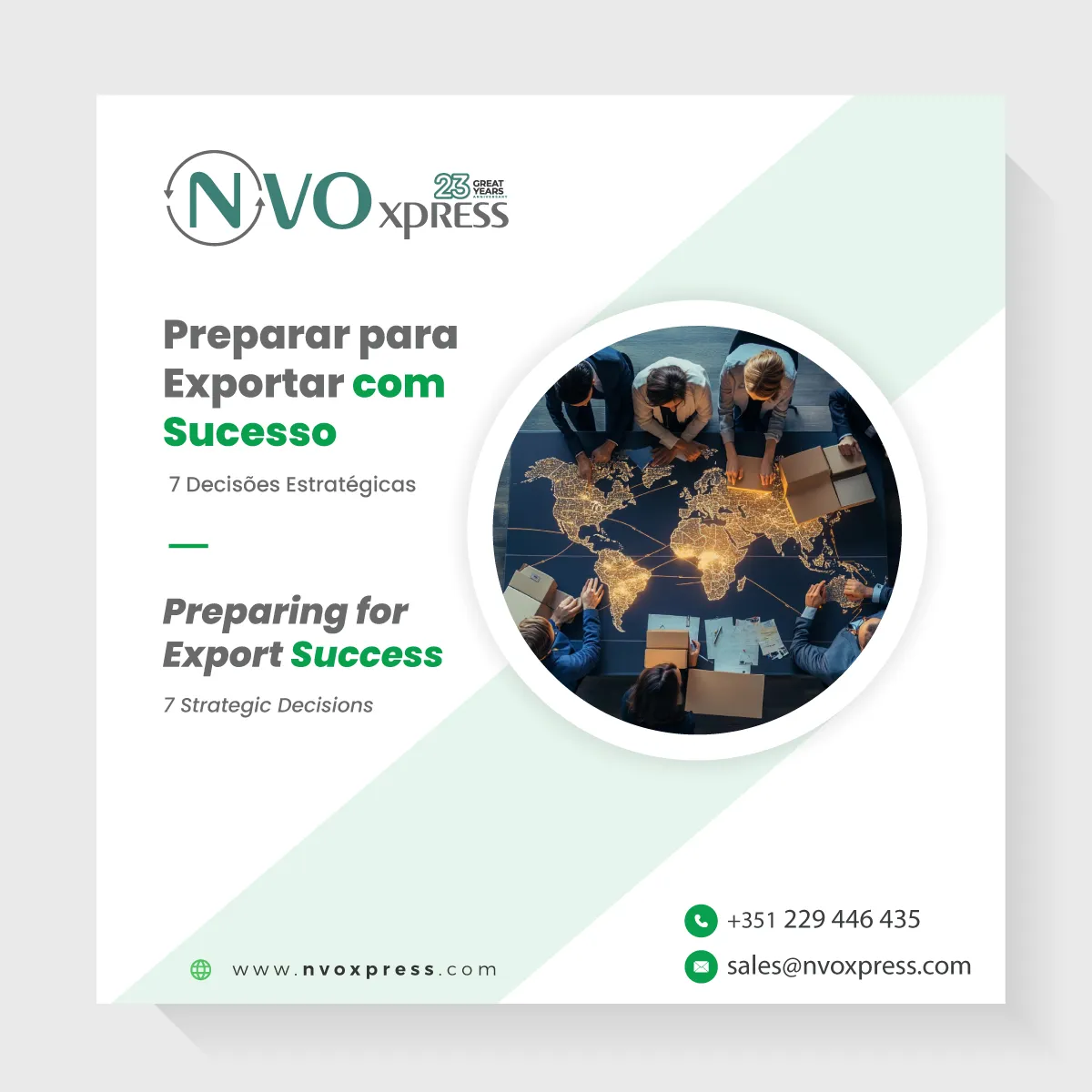
7 Strategic Decisions to Prepare Your Company for Successful Export to New Markets
Expanding into new markets is an excellent opportunity to increase competitiveness, diversify your customer base, and drive business growth. However, successful exporting requires much more than simply arranging the transportation of goods.
Successful international trade begins long before the first shipment leaves your facilities. It depends on strategic decisions regarding market research, documentation, logistics, risk management and selecting the right logistics partner.
The better prepared your company is before entering international markets, the greater your ability to minimise risks, control costs, meet delivery deadlines and build long-term business relationships.
In this article, we present seven strategic decisions that can help prepare your company for successful exports to new international markets.
1. Understand Your Target Market Before Exporting
Before starting any international operation, take the time to understand the market you intend to enter.
Every country has its own regulations, technical standards and commercial practices that can directly affect your export operations.
Consider analysing:
- Import regulations
- Customs requirements
- Mandatory certifications
- Local legislation
- Consumer preferences
- Market competition
- Economic and political stability
Understanding these factors in advance allows your business to make better decisions and significantly reduces operational risks.
2. Prepare All the Documentation Required for Export
Incomplete or inaccurate documentation remains one of the leading causes of delays in international shipments.
Depending on the destination country and the type of goods being transported, the required documentation may include:
- Commercial Invoice
- Packing List
- Certificate of Origin
- Export Licences
- Customs Declarations
- Sanitary or Phytosanitary Certificates
- Other country-specific documentation
Preparing all export documentation correctly contributes to a smoother, faster and more efficient international shipping process.
3. Choose the Right Incoterms®
Incoterms® define the responsibilities of buyers and sellers throughout an international transaction.
Selecting the appropriate Incoterm directly affects:
- Transportation costs
- Allocation of responsibilities
- Insurance coverage
- Customs procedures
- Transfer of risk
Choosing the correct Incoterm helps prevent misunderstandings, improves cost control and creates greater transparency between trading partners.
4. Define the Best Logistics Strategy
Every international shipment has unique characteristics.
The most appropriate logistics solution depends on factors such as:
- Type of cargo
- Shipment volume
- Delivery deadlines
- Destination country
- Budget
- Available transport infrastructure
Depending on your operational needs, your company may choose between:
- International Road Transport
- Ocean Freight
- Air Freight
- Multimodal Transport
A well-planned logistics strategy helps optimise costs, reduce transit times and improve supply chain reliability.
5. Protect Your Cargo and Manage Risk Effectively
Even the most carefully planned international shipment involves risks.
Cargo damage, theft, loss, accidents or unexpected delays may occur during transport.
For this reason, companies should ensure:
- Appropriate packaging
- Proper cargo securing
- Safe palletisation
- Compliance with international transport standards
Whenever appropriate, businesses should also consider taking out International Cargo Insurance, based on the value, destination and nature of the shipment.
Rather than simply being an additional expense, cargo insurance is an essential risk management tool that protects your investment and provides greater peace of mind throughout the transport process.
6. Choose an Experienced International Logistics Partner
Companies that are well prepared for international expansion benefit greatly from working with an experienced logistics partner.
A specialised freight forwarder does much more than organise transportation. An experienced partner can support your business with:
- Logistics planning
- Selecting the most suitable transport solution
- Documentation management
- Coordination between all parties involved
- Customs support and compliance
- Cargo insurance guidance
- Shipment monitoring
- Resolving unexpected issues quickly and efficiently
Working with a trusted logistics partner helps reduce risks, improve operational efficiency and gives your business greater confidence when entering international markets.
7. Monitor the Entire Export Operation
Exporting does not end when the goods leave your warehouse.
Continuous monitoring throughout the shipment allows companies to:
- Track cargo location in real time
- Anticipate potential delays
- Keep customers and partners informed
- Respond quickly to unforeseen situations
- Improve planning for future shipments
Effective communication between all parties contributes to safer, more reliable and more competitive international logistics operations.
Export Readiness Checklist
Before launching your next international shipment, make sure your company has completed the following:
✅ Researched the destination market and its requirements
✅ Prepared all required export documentation
✅ Selected the most appropriate Incoterms®
✅ Defined the best logistics strategy
✅ Assessed cargo protection and transport insurance needs
✅ Chosen an experienced international logistics partner
✅ Established a shipment monitoring and communication plan
If you can confidently tick every item on this checklist, your business is significantly better prepared for successful international trade.
Conclusion
Successful exporting starts long before the first shipment leaves your facilities.
Companies that invest in careful planning, proper documentation, efficient logistics and proactive risk management are better positioned to reduce costs, minimise disruptions and compete successfully in international markets.
The seven strategic decisions presented in this article provide a solid foundation for businesses looking to start exporting or expand into new markets.
Because in international trade, success is determined not only by where your goods are going—but by the decisions you make before they begin the journey.
Ready to Expand Your Business Internationally?
Whether your company is preparing its first export operation or expanding into new international markets, having the right logistics partner can make all the difference.
At NVOxpress, we support businesses throughout every stage of the export process with integrated logistics solutions, including road transport, ocean freight, air freight and multimodal transport.
From strategic planning and documentation support to customs coordination and final delivery, our experienced team is committed to making your international operations more efficient, secure and predictable.
Contact NVOxpress today and discover how we can help your business export with confidence.
Frequently Asked Questions (FAQ)
How do I prepare my company for exporting?
Preparing your business for export involves researching the target market, ensuring all required documentation is in place, selecting the right Incoterms®, planning an efficient logistics strategy and working with an experienced international logistics partner.
What are the first steps when exporting to new markets?
The first steps include analysing the target market, understanding local legal and customs requirements, adapting your commercial strategy and choosing a reliable logistics partner to support the entire export process.
What export documents are required?
Required documentation varies depending on the destination country and the type of goods being shipped. Typical documents include the Commercial Invoice, Packing List, Certificate of Origin, Customs Declarations and any mandatory certificates required by the importing country.
Is international cargo insurance mandatory?
Not in every case. However, cargo insurance is strongly recommended as it protects your goods against loss, damage and other unforeseen events during international transportation.
How do I choose the right international logistics partner?
Look for a logistics provider with proven international experience, strong customs expertise, integrated transport solutions, shipment visibility and personalised support throughout the entire logistics process.
Which transport mode is best for international exports?
The best transport solution depends on the type of goods, destination, delivery deadlines, shipment volume and available budget. Depending on your requirements, road, ocean, air or multimodal transport may be the most suitable option.